
Develop your own SDK
Build an integration that fits your application and network. Define the public API, supported platforms, participation controls, release process, and backend contracts.
SDK & network development
We develop mobile and desktop SDKs and the infrastructure behind them. Connect opt-in devices to a proxy network, account for contributed traffic, and give your business the tools to operate the product.
01 / Your starting point
We work with app publishers and businesses building bandwidth-sharing networks. The scope can cover the device integration, the platform, or both.
Build an integration that fits your application and network. Define the public API, supported platforms, participation controls, release process, and backend contracts.
Integrate an existing SDK or build a custom one. Connect the user’s choice to participate with the app’s reward model, settings, and account experience.
Add device registration, routing, accounting, or management APIs. We can build the backend for a new network or replace agreed components in an existing system.
02 / Development scope
A bandwidth-sharing product needs a clear integration boundary, predictable device behavior, and a backend that connects participation to usage records.
SDK initialization, configuration, status reporting, and application-facing controls. Libraries, examples, and documentation are scoped for your target platforms.
Opt-in flows, consent state, pause and stop controls, and network eligibility rules. The app’s participation choices need to remain consistent with backend access.
Node registration, connection state, reconnection behavior, and network changes. Device constraints and background execution are evaluated per operating system.
Connect participating devices to the proxy infrastructure. Route eligible sessions through available nodes, with authentication, access rules, and protocol support defined in the scope.
Link measured traffic to devices, publishers, and accounts. Build the reports, balances, and payout workflows required by your product’s business model.
Publisher and operator accounts, integration configuration, device visibility, and reporting. Dashboards and APIs provide access to the same operational data.
03 / How the system fits together
Your platform selects an available SDK device to reach the website and relay the response. Traffic is counted in both directions, connecting customer usage with the device and publisher that supplied it.
App, script, or data tool
One eligible device relays each request.
SDK nodes connect to the platform.
Public pages & APIs
Participating apps supply the connections. Your platform manages access and routes the traffic.
Explore our SDK workCount upload and download bytes. Attribute usage to the customer, device, and app publisher.
Upload + download → attributed usageSave traffic totals, the selected node, destination, and outcome for customer, publisher, and network reports.
Customer credentials identify the account, purchased package, and available allowance.
Your SDK. Your device network. Connect participating apps, proxy routing, usage accounting, and publisher reporting.
Build my SDK platformIllustrated request lifecycle. Devices join through an opt-in SDK connection; one eligible node handles each illustrated request. Device availability and background operation depend on the target OS and your product requirements.
04 / Selected project experience
Examples of the application, network, and account workflows we bring together in bandwidth-sharing products.
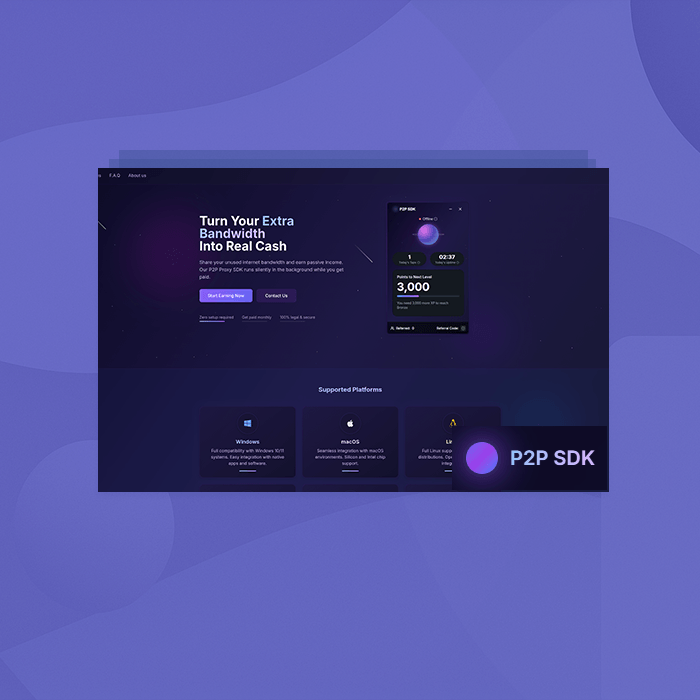
App integration & network lifecycle
Opt-in sharing for existing apps, with a choice of SDK implementations. Consent verification, node connections, proxy routing, and reporting connect the integration to the network.
View project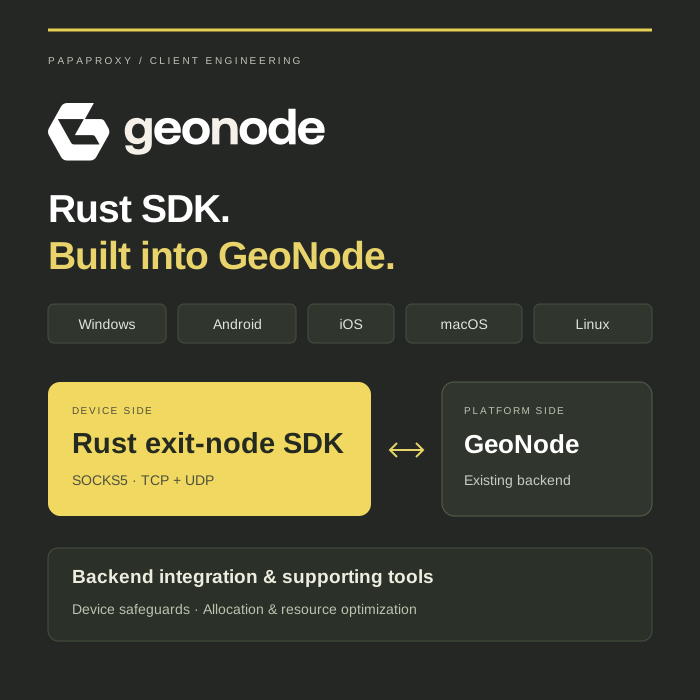
Rust SDK & platform integration
A Rust SDK connects devices across five operating systems to GeoNode’s existing proxy platform. The integration supports SOCKS5 and UDP traffic with safeguards for local networks and device resources.
View project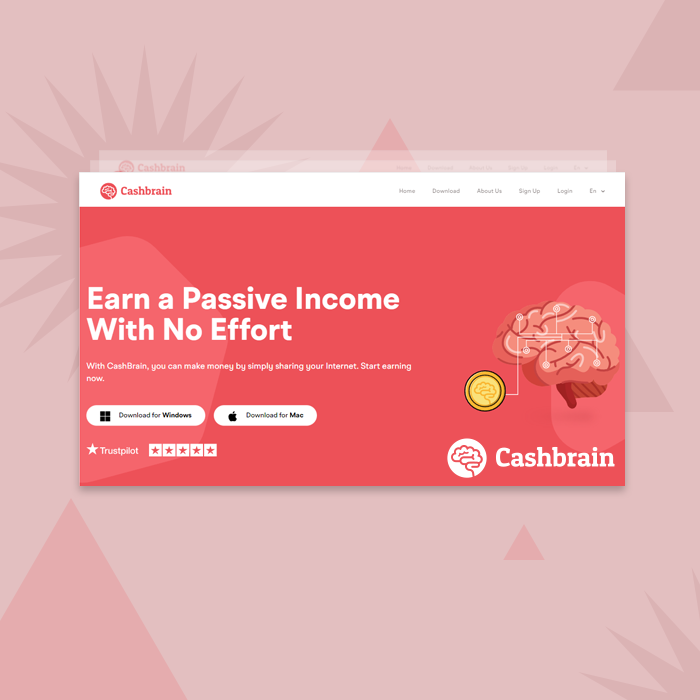
SDK, proxy services & contributor accounts
Go-based SDKs and proxy services connect app integration to residential traffic and usage accounting. Contributors manage devices and follow earnings in their account.
View projectHave a similar system to build or improve?
Tell us about your project05 / Delivery
Review target apps, platforms, participation rules, reward logic, and the existing network.
Product requirements & integration scopeDefine the SDK API, device lifecycle, consent model, backend interfaces, and usage records.
SDK & backend architectureVerify app integration, stop and resume behavior, network changes, accounting, and platform-specific constraints.
SDK builds & acceptance checksProvide integration examples and documentation, deploy the agreed services, and define maintenance responsibilities.
Release package & operational handover06 / Model your assumptions
Start with your app’s daily audience, estimate participation, then set demand and operating costs. This is a scenario calculation, not a revenue forecast or a development quote.
Calculated from your inputs. Actual sales depend on demand and usable network capacity.
Development costs and taxes are excluded. Clicking the button attaches a snapshot to the enquiry below. Nothing is sent until you submit the form.
Participating devices = daily audience × participation rate. We assume one participating device per user.
Available GB = devices × minutes × 60 × Kbps × 1,000 ÷ 8 × 30 ÷ 1,000,000,000
Sold GB = available GB × sold share.
Revenue = sold GB × sale price.
Operating costs = fixed costs + sold GB × variable cost.
Result before tax = revenue − operating costs.
07 / Questions & answers
Have requirements that don’t fit a standard brief?
Discuss your scopeYes. The scope can include device SDKs, node registration, proxy routing, consent handling, traffic accounting, and management interfaces. We define the app integration and backend contracts together so device behavior and operational requirements are addressed in the same architecture.
No. We can integrate P2PSDK where it fits, develop a custom SDK for your network, or work on an existing implementation. The decision depends on your application, supported platforms, business rules, deployment needs, and how much of the infrastructure you already operate.
Yes. We can build a device library against your existing network, or develop registration, routing, accounting, and control plane services for SDKs you already have. We first review the interfaces and establish which side owns connection state, access decisions, and usage records.
We start with the applications you need to support and the environments they run in. Our projects include Go-based SDKs and implementations in Rust, Kotlin, Swift, C#, and TypeScript. The integration package, platform API access, distribution method, and maintenance requirements guide the choice; a single implementation does not imply identical behavior on every OS.
Participation controls, consent state, pause and stop behavior, and device eligibility are defined as product requirements. We connect these controls to the backend and verify them on the target platforms. App distribution rules and platform restrictions are reviewed for the intended integration before release; we do not promise universal background operation or store approval.
Yes. We can connect publisher and contributor identities, usage records, balances, and payout workflows to your current systems, or develop those components in scope. Before implementation we agree on the source of truth for traffic and balances, along with how corrections and failed operations are handled.
No. It calculates a scenario from the audience, participation, transfer rate, sold share, and costs you enter. Those values are assumptions. Actual sales depend on demand and the network’s usable capacity. The result excludes taxes and development costs; we estimate development separately after reviewing the requirements.
Share your application or product idea, target operating systems, existing SDK or backend documentation, and the components you want us to build. We then clarify acceptance criteria, integration dependencies, source code and licensing terms, deployment responsibilities, and any maintenance requirements before estimating milestones.
Tell us about your app, target devices, and existing infrastructure. We’ll discuss the integration, the services behind it, and the work needed to release your product.
Prefer a direct conversation?
Contact us on Telegram ↗
We’ll reply using the contact you provided to discuss your project and the next steps.